

We all want our children to grow up as happy successful people and a large part of that must include their education, but what of the difficulties of single parenting education for their children? Children growing up in single parent households have disadvantages from the start but this does not mean that is impossible for them to do well in school, you can even help the to feel comfortable by getting them a nice place with the help from Canterbury student accommodation. There are many factors that influence school grades but we will show how single parents can positively influence their children’s education to give them the best start in life.
There are many myths surrounding single parents but one of the most damaging is the notion that the single parent family is somehow not normal and that the ideal family unit is one where there are two married people. This puts unnecessary pressure on both the parent and the children, impacting on their self-esteem. To be successful in any endeavor requires a firm belief in yourself and single parenting education needs to focus on building this aspect in a child. It is a fact that children whose parents and teachers have high academic expectations for them do better in school. Instead of just accepting the ridiculous judgment that single parent families are doomed to failure it would be far better to focus on all the positives and adopt a can-do attitude which includes all outcomes as possible.
With sixty percent of children spending an average of five years in a single parent home and thirty percent growing up in one, there are too many children living with one parent to treat them as anything but normal. More and more research is confirming that the factors influencing single parenting education and a child’s academic performance and behavior go way beyond having a single parent and to focus on this one issue is to oversimplify the matter. Economics, the level of education of the parent and the stability of the home environment are far more important influences and these areas are the ones which require attention.
Once single parents accept their situation as normal and appropriate, they can they get on with the business of providing the best single parenting education they can find. If they can dispense with the guilt over their circumstances they will see they have advantages and resources available to ensure their children’s future.
What Single Parenting Education Options are Available?
The biggest resource any child has for learning is his parent. Investment in human capital, in other words investment in the skills, abilities and knowledge of the children needs to begin early in life. Education doesn’t start the day a child steps into a school. It starts the day he is born and parents should not underestimate the huge impact they have on their children’s education. The groundwork for the progress they make in formal education is laid at home. People, especially mothers, often feel inferior to the so-called experts and professionals and devalue their own contribution to their children’s success. If your child can talk, tie his shoelaces, dress himself and pack his bag by the time he goes to school, well done, you have shown him how to do these things.
Single parenting education is an ongoing exercise that includes setting up and implementing routines and good habits which will benefit a child later in life. The foundation for math, language, rational and perceptual thinking, imagination and determination is built at home. There are so many useful and practical things you can teach your children daily before they even begin school. Mothers can start by talking to their babies in complete sentences, avoiding baby words and by reading to them. They can give them responsibilities as soon as they are old enough, to foster self-reliance and pride. They can do simple counting exercises with toddlers at meal times and introduce older children to finances, budgeting and other simple day-to-day concerns to equip them with real life skills. A love of books can be a life-long friend and open many doors. One of the best single parenting education strategies is to encourage children to read. One of the most effective ways of doing this is for the parent to engage in this activity with enthusiasm himself then let the child go to a school the offers kids reading program.
None of these things cost anything but the rewards can be great. Keeping an open line of communication where children feel safe to express their emotions and needs without fear of ridicule is also of huge significance. If a child feels valued and heard then the lack of material comforts becomes of secondary importance. Moral values and a positive outlook, along with an inquisitive mind and a love of learning are all good things to encourage.
The Role of the Teacher in Single Parenting Education
A famous study in 1968 by Robert Rosenthal and Lenore Jacobson called The Oak School Experiment was carried out to demonstrate how a teacher’s expectations influenced children’s performance in the classroom. 20% of the children were randomly identified to the teacher as “late bloomers”. These “special” or “gifted” students were in fact no different to any of the others. At the end of eight months, not only had these students performed better in the teacher’s eyes, an expected outcome, but they actually scored significantly higher on standardized IQ tests. This has important implications for both teachers and parents in single parenting education concerns. Children expected to perform better actually do perform better. If there are low or no expectations children will meet these without any effort.
Teachers and Parents
Education, ideally, is a partnership between teachers and parents. Parents need to connect with the teachers of their children and participate in the school as far as is possible. Single parenting education is much more effective if you can maintain a relationship with your child’s teachers. Teachers generally expect little or no involvement from the parents of low-income and single parent families in the educational lives of their children. They think these parents either cannot or will not help with homework. Teachers’ perceptions about single parent child education have to change and the only way they are going to do that is to prove them wrong. If a teacher understands your situation and what expectations you have, it gives your child a better chance of being noticed and getting more attention. If work constraints make this difficult or impossible then you should make every effort to stay in contact with the school by whatever other means you can. Writing notes or enlisting the help of relatives, friends or other mothers might be other ways to keep track of your child’s progress.
Children’s Responsibilities
Children need to know that they have certain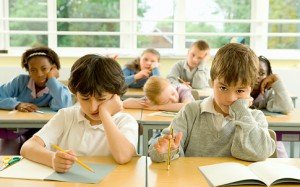 responsibilities and doing well in school is their main priority. Take single parenting education seriously and so will your child. If the parent is indifferent about school it is likely the child will follow suit. The largest obstacle facing public schools is the lack of parental involvement, which tends to decrease the longer a child stays in school. Children learn what they live. If the parent shows how important the school is in a child’s life the child will appreciate this importance and act upon it.
Involved Parents
Research has shown that when parents are involved in the education process their children do better at school, but often parents do not know what to do or how to help their children. Single parenting education is even more difficult because of the lack of time. Parents whose level of education is low might also not feel equipped to offer help and shy away from doing so, not because of a lack of interest but because of fear. However, actively showing an interest in homework, promoting discussion about it and maintaining a positive attitude towards learning can make up for shortfalls in actual knowledge. Here, school programs that can guide parents on more effective methods to assist their children with education at home show positive results in children’s grades.
Participation
Sometimes all a parent needs is some encouragement and advice to boost their confidence. The positive outcome of having regular contact with the school is that it reinforces the importance of school and therefore learning, in the mind of the child. They associate school with value.
Teachers have one of the most important and difficult jobs on their hands. The future is theirs to mold. Often they are expected to be psychologist, parent and teacher all in one, in overcrowded classrooms filled with unruly children. Sending your child to school with strict, but fair guidelines on respect and behavior will pay dividends in the long run and make your single parenting education commitment an easier one. Respect for themselves, as well for others, equips children to act and think for themselves without the need to follow the pack.
Activities For children
Single parents have a tougher time than most monitoring their children’s extra-curricular activities if they are at work a good deal of the time but this is an important part of single parenting education. Making sure your child spends his time wisely doing homework and completing assignments, limiting T.V. and computer time and arranging after school classes is necessary if you are not at home to supervise. Keeping kids busy enough to keep them out of mischief but not so busy that they become stressed requires a bit of a balancing act. Parents also need to be careful of trying to live out all their unfulfilled ambitions through their children. Some parents can err on the side of over involvement in their children’s lives. Achievement has to be balanced with fulfillment, without smothering the child’s needs and wants.
Sporting Activities
Education is not limited to academic pursuits and the chance to participate in sport or hobbies can play a big role. Children who have sporting abilities that they are allowed to pursue can gain a great deal of confidence that often spills over into the academic arena. If your child is not intellectually brilliant but he is physically talented it is worth capitalizing on these skills. It might also be the incentive he needs to do better in class if there is a trade-off between participation in sport and improving his grades. Taking note of any special talents and interests and making every effort to capitalize on them can boost your child’s self-esteem and lead to opportunities later on. Training in music, chess or basketball can help your child develop abilities and social skills useful for a well-rounded individual and these types of activities should form part of single parenting education.
The Role of the Parent’s Education in Single Parenting Education
The education of the parent has a big impact on the education of the child. The more educated the parent is, the more likely it is he or she will have a good job and therefore be able to provide adequate child-care and a good school. More finances mean more time and more resources. Less finances means less all round.
Parents who try to improve their own educational qualifications, however, can have a real positive influence on their children. A child who sees the value of hard work and the determination to succeed will learn a very important lesson. If a good education is paramount to the parent this will automatically rub off on the child. A good education is often a route out of poverty and can uplift the whole family.
The success of single parenting education is very dependent on the culture maintained in the home. If it is warm and supportive of both the child and his schooling then he will thrive. Believe in your children so that they believe in themselves. Have high expectations for them so that they have high expectations for themselves. Teach them about respect and responsibility, hard work and determination. Set a good example by valuing education and all that it can offer. Above all else teach them how to dream big dreams. Let them know that nothing is impossible, despite current circumstances. If you can do all these, know that your single parenting education has been the best you could have offered.